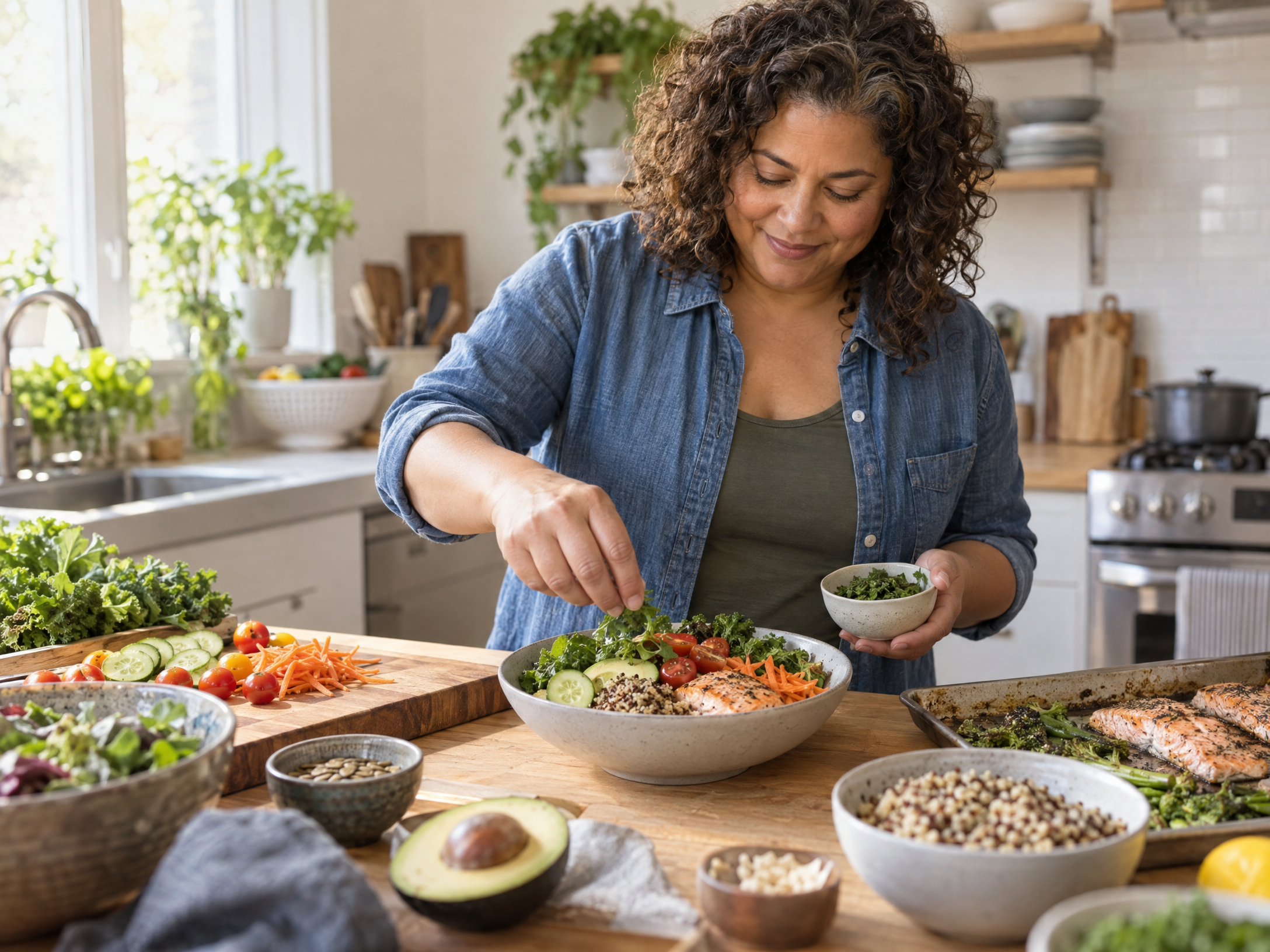
Small, practical food choices can support long-term health.
Weight loss is often discussed in terms of quick fixes. Health experts say the more useful conversation is about habits people can sustain—and how those habits may also support a lower risk of type 2 diabetes.
Type 2 diabetes can develop gradually, and early symptoms may be easy to miss. Over time, high blood glucose can damage blood vessels and nerves and contribute to heart disease, stroke, kidney disease, vision loss and other serious complications. Diabetes can be life-threatening, but a diagnosis is not a prediction of an individual outcome: screening, treatment and ongoing care can help prevent or delay complications. NIDDK explains the complications and prevention steps.
The global burden is serious. The World Health Organization reports that diabetes was directly responsible for 1.6 million deaths in 2021, and diabetes-related kidney disease caused additional deaths. Those global figures underline why prevention, early detection and care matter; they do not estimate any one person's risk. WHO: Diabetes fact sheet.
Can everyday food choices make a difference?
For many people, gradual changes to meals can be more realistic than strict diets. A balanced pattern can include vegetables, beans and other legumes, fruit, whole grains, nuts and sources of protein. Choosing water or unsweetened drinks more often and reducing sugary drinks and foods high in added sugar can also be a useful step. No single food or eating plan prevents diabetes for everyone.
Different meal patterns, without labeling foods “good” or “bad”

An illustrative comparison of meal patterns—not a list of forbidden foods. One meal alone does not determine a person's health.
Sugary drinks and highly processed snacks can be easy to consume in large amounts. Choosing water more often and building meals around vegetables, beans, whole grains and protein are practical options for many people. Food needs vary, and no single meal causes or prevents diabetes.

A balanced plate can include vegetables, whole grains and protein.
Weight is only one part of diabetes risk. Family history, age, activity, sleep, medicines and other factors may also matter. The World Health Organization recommends a healthy diet and regular physical activity to help prevent or delay type 2 diabetes. For people at increased risk, the CDC's National Diabetes Prevention Program offers structured support for building sustainable habits. Read how the CDC lifestyle change program works.
Small changes that can fit real life
There is no need to overhaul every meal overnight. Start with a change that feels manageable, repeat it, and adjust as needed. For example:
- Choose water or unsweetened tea more often instead of sugary drinks.
- Add vegetables, beans or lentils to meals you already enjoy.
- Try whole-grain options and pair carbohydrates with protein or fiber.
- Plan a few simple meals or snacks before a busy week begins.
- Notice portions and hunger cues without treating food as a moral issue.

Preparing a few ingredients ahead can make weekday meals easier.
Healthy eating does not have to mean giving up every food you love. A flexible approach leaves room for culture, budget, schedule and personal preference. If you have diabetes, prediabetes, food allergies, a history of disordered eating, or take glucose-lowering medication, ask a qualified health professional before making major changes.
Weight management without extreme promises
For people who would benefit from weight loss, progress is personal. Sustainable routines—balanced meals, regular movement, adequate sleep and support—are safer goals than severe restriction or promises of dramatic results. Weight loss is not required for every person to improve health, and it is not a substitute for medical care.

Enjoyable movement at a comfortable pace can be part of a healthy routine.
For adults at risk of type 2 diabetes, evidence-based lifestyle programs can provide coaching and support for food choices, activity and goal setting. The CDC notes that its National Diabetes Prevention Program is designed to help participants build lasting habits and lower their risk. Ask a healthcare professional whether a structured prevention program is appropriate for you.
Know your risk—and when to seek care
Thirst, frequent urination, blurred vision, fatigue or unexplained weight loss can be symptoms of diabetes, but some people have few or no noticeable symptoms. A blood test is needed for diagnosis. If you are concerned about your risk or symptoms, arrange a conversation with a healthcare professional rather than relying on an online article or food guide.
Taking action matters because uncontrolled diabetes can lead to severe complications and premature death. It is not inevitable: early diagnosis, appropriate treatment, healthy habits and regular follow-up can reduce or delay many complications. Never stop prescribed medicine or replace medical care with a diet plan.
Serious health concerns call for support, not blame

A health visit can help people discuss screening, treatment and support.
Diabetes complications can be serious, but a person's health is shaped by many factors. Photos cannot show why someone became ill. A clinician can help assess individual risk, arrange testing and discuss care without blame.

Simple snack ideas can make lower-added-sugar choices more convenient.
Make healthy meals easier to enjoy
Finding recipes that suit your taste and routine can make healthy choices feel less complicated. Explore meal ideas, try one new dish at a time and adapt ingredients to your needs. This page is educational and does not replace advice from your doctor or registered dietitian.
Medical note: “Zero sugar” in a recipe title does not mean the recipe is right for every person. Check ingredient labels and discuss individual nutrition needs with a qualified health professional.
 Health update: small habits matter